
Explore • Understand • Live well
The human body like never before.
Explore the male body. Understand what's inside. A free, detailed 3D body with plain-English, sourced guides to how age and habits change it — and what you can do about it.
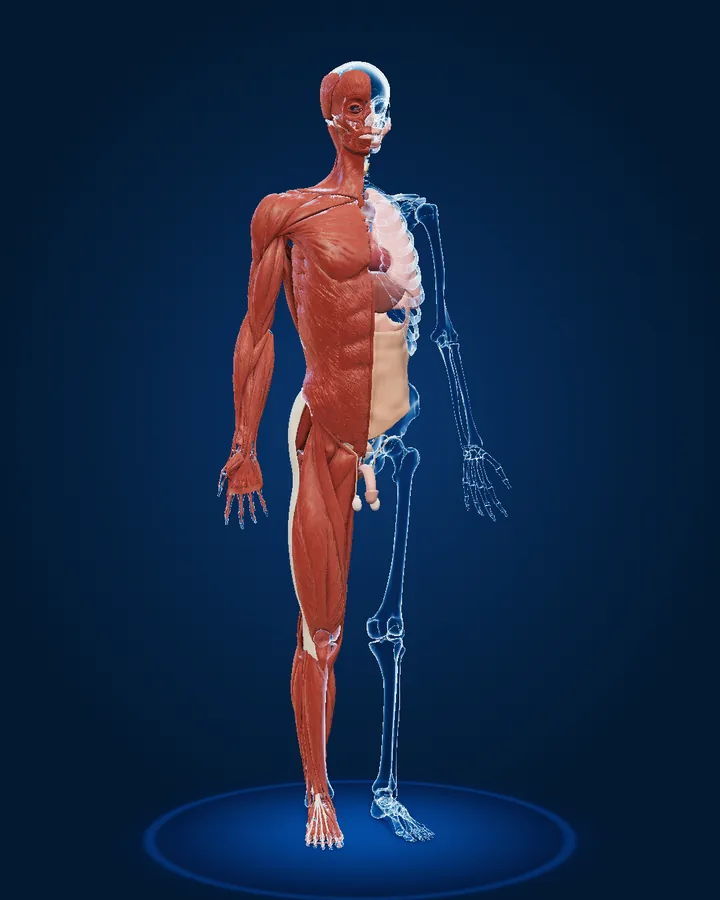 Split viewmuscle | X-ray bone
3,163 partseach one selectable
Age 20 → 85see how the body changes
- Interactive 3D anatomyZoom, rotate, split and explore.
- Plain-language explanationsThree reading levels, from everyone to clinical.
- Search any body partEveryday words like “kneecap” work.
- Supports a healthier youScreenings, habits and questions for your doctor.
Interactive system preview
See how each system fits the whole.
Pick a system, then a numbered structure. Locate opens that exact part in the 3D Explorer.
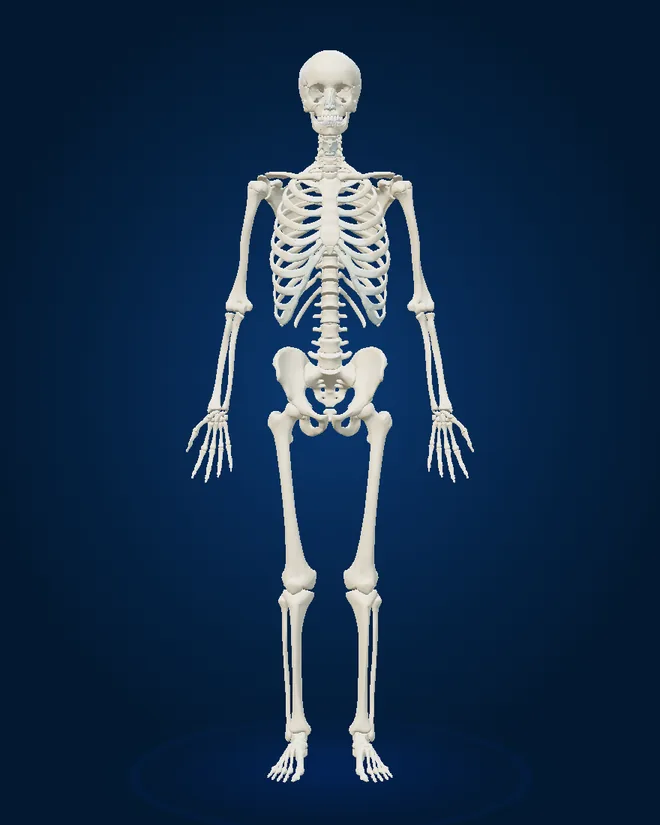
System 01 / 05
Skeleton
The skeleton supports the body, protects major organs, and gives muscles firm places to pull against.
Selected structure
Skull
The skull protects the brain and supports the structures of the face.
Open it in 3DRendered from the real interactive model. Source: NCI SEER Training: Introduction to the Skeletal System.
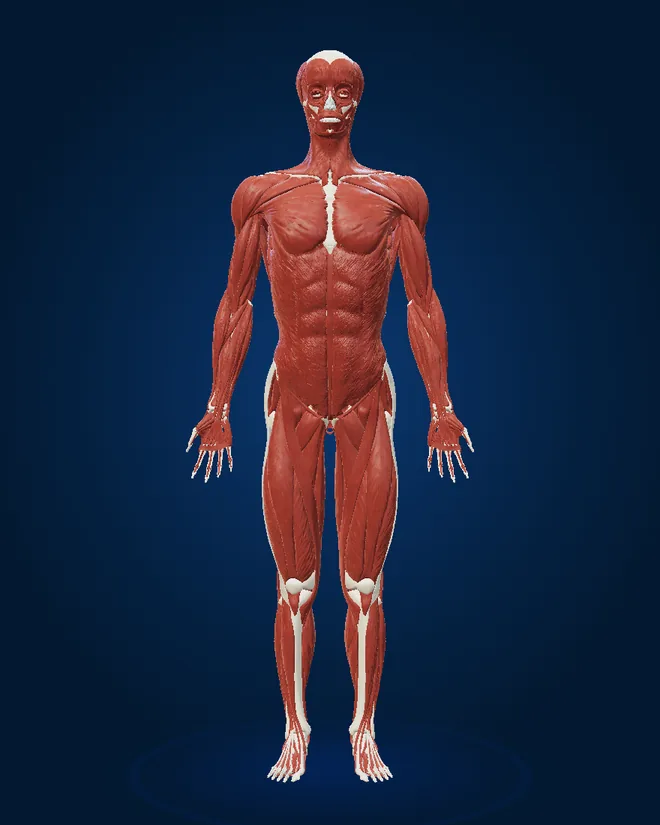
System 02 / 05
Muscles
Skeletal muscles pull on bones across joints to move and steady the body. They respond to training at every age.
Selected structure
Deltoid
The rounded shoulder muscle that lifts the arm forward, sideways and back.
Open it in 3DRendered from the real interactive model. Source: NCI SEER Training: Introduction to the Muscular System.
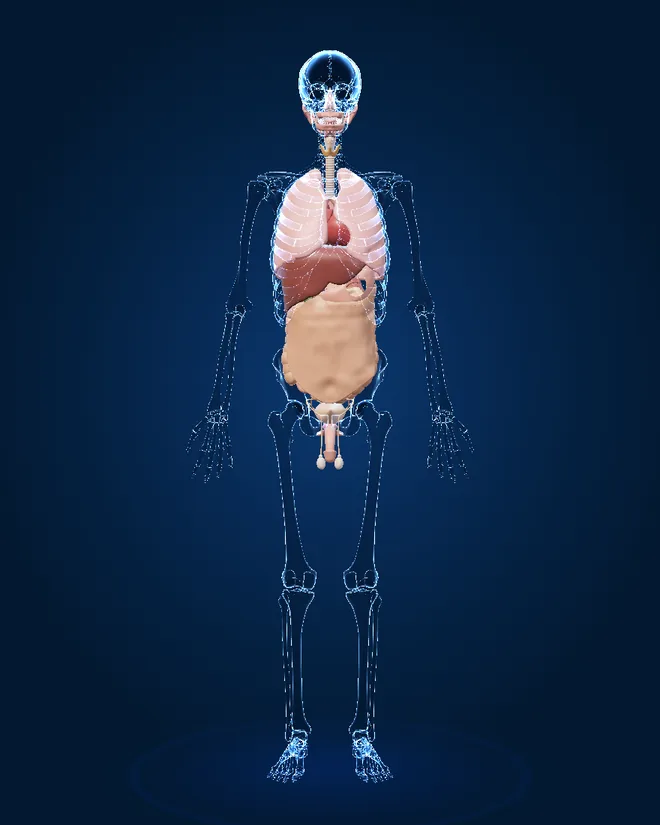
System 03 / 05
Organs
The organs of the chest, abdomen and pelvis keep you breathing, digesting, filtering blood and making hormones.
Rendered from the real interactive model. Source: NCI SEER Training: Introduction to the Digestive System.
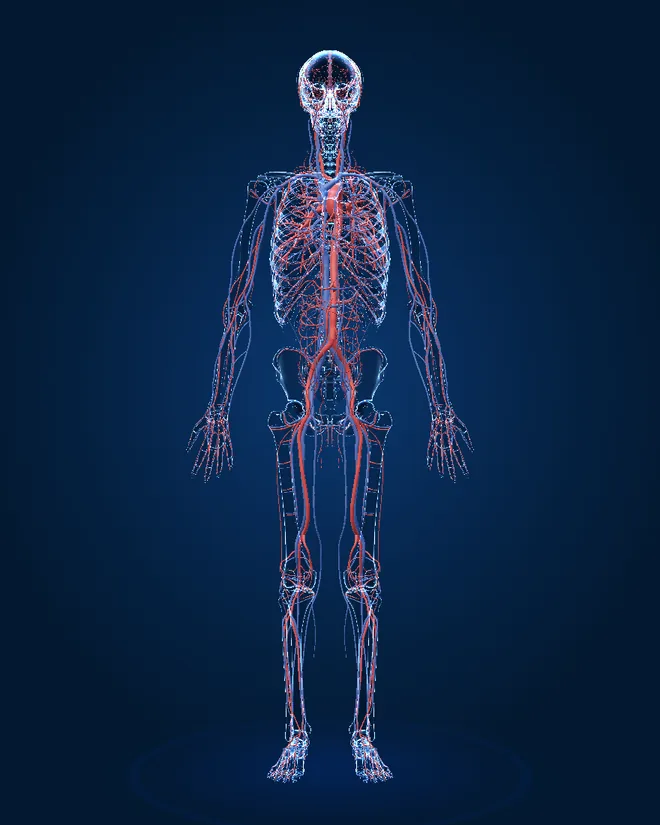
System 04 / 05
Blood vessels
Arteries carry blood away from the heart; veins bring it back. Together they reach every living cell.
Rendered from the real interactive model. Source: NCI SEER Training: Heart.
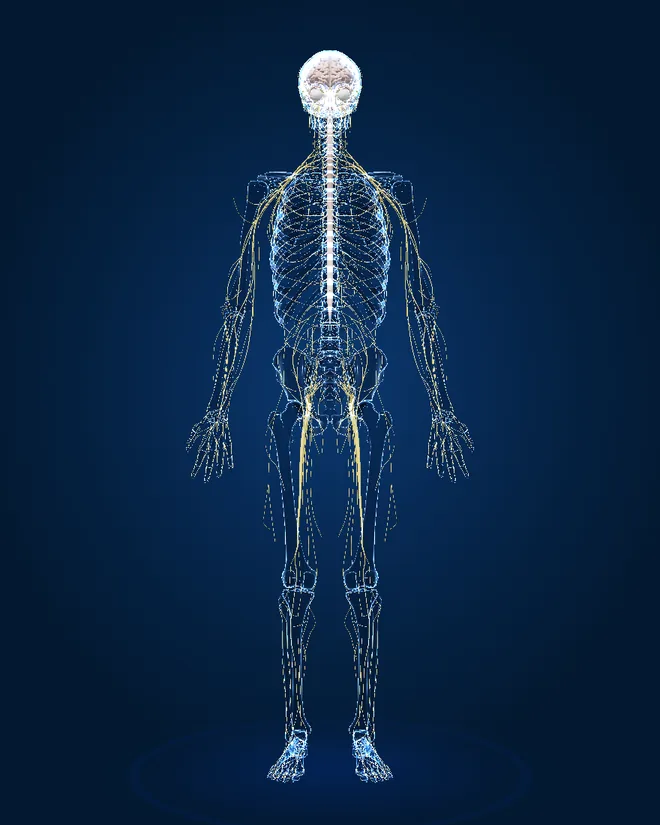
System 05 / 05
Nerves
The brain and spinal cord process information; nerves carry signals to and from every part of the body.
Selected structure
Brain
Controls thought, memory, movement, the senses and automatic functions such as breathing.
Open it in 3DRendered from the real interactive model. Source: NCI SEER Training: Introduction to the Nervous System.
Why people come here
Heard a word you didn't understand?
A diagnosis, a test result or a lecture can leave you with terms you can't picture. Human Atlas shows you where things are and what they do, so you can study better or ask better questions.
- 01I want to understand a diagnosisSourced guides to cancers and common men's health conditions
- 02I'm studying anatomySearch 3,000+ named parts and follow guided lessons
- 03I want to stay ahead of my healthScreenings and vaccines by age, on a private checklist
Human Atlas explains anatomy and health. It does not diagnose or recommend treatment.
Health topics
Clear, sourced guides for every stage of life.
Prostate cancer
Apart from skin cancer, the most common cancer in American men. Many grow slowly; some don't. Here's what it is, who is at risk, and how the PSA decision works.
Read the guide →ProstateEnlarged prostate (BPH)
A non-cancerous enlargement of the prostate that becomes common with age and can change how you urinate. It's treatable — and not cancer.
Read the guide →CancerColorectal cancer
Cancer of the colon or rectum. Screening from age 45 can find it early — or prevent it by removing polyps before they turn into cancer.
Read the guide →HeartHeart disease and heart attack
The leading cause of death for men in the US. Most of it comes from narrowed coronary arteries — and much of it can be prevented.
Read the guide →HeartHigh blood pressure
Half of US men have it, and most people feel nothing. A simple check finds it; habits and medicines control it.
Read the guide →MetabolismType 2 diabetes and prediabetes
Blood sugar that stays too high. Millions have it without knowing — and prediabetes can often be stopped from progressing.
Read the guide →Sexual healthErectile dysfunction (ED)
Trouble getting or keeping an erection is common and treatable — and it can be an early clue to heart and blood-vessel problems worth checking.
Read the guide →HormonesLow testosterone (hypogonadism)
Testosterone falls only slowly with age. Real hypogonadism needs symptoms plus two low morning blood tests — and treatment isn't right for everyone.
Read the guide →CancerTesticular cancer
A cancer of younger men — the average age at diagnosis is about 33. It's uncommon and usually very treatable. Know what's normal for you.
Read the guide →CancerLung cancer
By far the leading cause of cancer death in the US. Smoking causes most of it — and a yearly low-dose CT scan can find it early in people at high risk.
Read the guide →MindDepression and suicide prevention
Depression is common, real and treatable. In men it can look like anger or irritability. If you're in crisis, call or text 988 now.
Read the guide →GroinInguinal (groin) hernia
A bulge in the groin where tissue pushes through a weak spot in the belly wall. About 1 in 4 men get one in their lifetime.
Read the guide →Screenings at a glance
What's recommended, by age.
| Age | Discuss or schedule |
|---|---|
| 18–39 | Blood pressure check, Depression check, Flu vaccine, Prediabetes and type 2 diabetes test |
| 40–49 | Blood pressure check, Depression check, Flu vaccine, Prediabetes and type 2 diabetes test, Cholesterol and statin discussion, Colorectal cancer screening |
| 50–64 | Blood pressure check, Depression check, Flu vaccine, Prediabetes and type 2 diabetes test, Cholesterol and statin discussion, Colorectal cancer screening, Yearly low-dose CT lung scan, PSA test: talk it through first, Shingles vaccine, Pneumococcal vaccine |
| 65–75 | Blood pressure check, Depression check, Flu vaccine, Prediabetes and type 2 diabetes test, Cholesterol and statin discussion, Colorectal cancer screening, Yearly low-dose CT lung scan, PSA test: talk it through first, Shingles vaccine, Pneumococcal vaccine, RSV vaccine, One-time aortic ultrasound (AAA), Ask about a bone density scan |
| 76+ | Blood pressure check, Depression check, Flu vaccine, Colorectal cancer screening, Yearly low-dose CT lung scan, Shingles vaccine, Pneumococcal vaccine, RSV vaccine, Ask about a bone density scan |
Some items depend on smoking history, weight or family history. Sources: USPSTF, CDC, American Cancer Society, Bone Health & Osteoporosis Foundation. Full details and sources.
Free first
Explore the body for free. Pay only for deeper teaching.
Explorer
FreeThe full 3D body, search, split view, the age timeline, and every health and cancer guide. Always.
Start exploringFull Access Plus
$49 / yearGuided lessons, narration, quizzes, saved progress and a printable doctor-visit packet.
See plansInstitutions
From $12 / person / yearClinics, schools, employers, gyms and senior centres, with a 60-day free pilot.
For institutionsReal anatomy. Real knowledge. A brighter tomorrow.